
No Stress Professional / Lab Notes / ESG
ESG and cleaning chemistry: where the switch counts
Large customers, lenders and auditors now ask suppliers for sustainability data. Replacing hazardous cleaning chemicals is one of the few changes that touches environment, social and governance at once, and it can be done in weeks, not years.

Why your customers ask
Big buyers rate their suppliers. An EcoVadis score, a bank's ESG questionnaire or a customer's supplier audit all ask the same thing in different words: which risks do you manage, and what can you prove? A better score can open the door to larger customers and better financing terms. Cleaning chemistry is a quick, visible place to show progress, because the evidence already exists on paper: the safety data sheet.
Where it shows up
The Environment theme includes the criteria Materials, Chemicals and Waste, and Customer Health and Safety. Labour and Human Rights covers Employee Health and Safety. A documented switch away from hazardous cleaning chemicals, with SDS as evidence, supports answers in these criteria.
ESRS E2 (Pollution) asks for information on substances of concern and substances of very high concern (SVHC) where pollution is material. After Omnibus I, adopted by the Council on 24 February 2026, mandatory CSRD reporting applies to EU companies with over 1,000 employees and over EUR 450 million net turnover. Smaller suppliers can only be asked for data within the voluntary VSME standard.
Directive 98/24/EC makes substitution the first choice: an employer should replace a hazardous chemical agent with one that is not hazardous or less hazardous where possible. In Germany this is the Substitutionsprüfung under the Gefahrstoffverordnung.
Both management systems expect hazards and environmental aspects to be identified and reduced. Fewer hazardous products means fewer risk assessments, less PPE and simpler storage rules to document.
LEED gives green cleaning credits for products with third-party labels such as Green Seal, UL EcoLogo or EPA Safer Choice. No Stress products do not hold these labels today, so we do not claim LEED points.
What No Stress gives you as evidence
- Safety data sheets showing the products are not classified as hazardous (section 2.1), need no special PPE in normal use (section 8.2) and are not ADR dangerous goods (section 14). Download them.
- No Stone Professional is not based on phosphoric acid, so descaling sends no phosphorus into wastewater.
- Heating elements and boilers cleaned instead of replaced: fewer scrapped parts in the waste stream.
- Stock held on site and invoiced on use, so less chemical inventory to store.
This page explains frameworks in general terms. It is not legal advice, and the weight a rating gives to cleaning chemistry depends on your sector and size. Ask us for the documents your assessor needs.
Sources
Free samples
Test No Stress on your own machines
- Free samples, no obligation
- Shipped to your workshop with dosing instructions
- Your technicians run the test and judge the result

Lab Notes
Keep reading
 Descaling
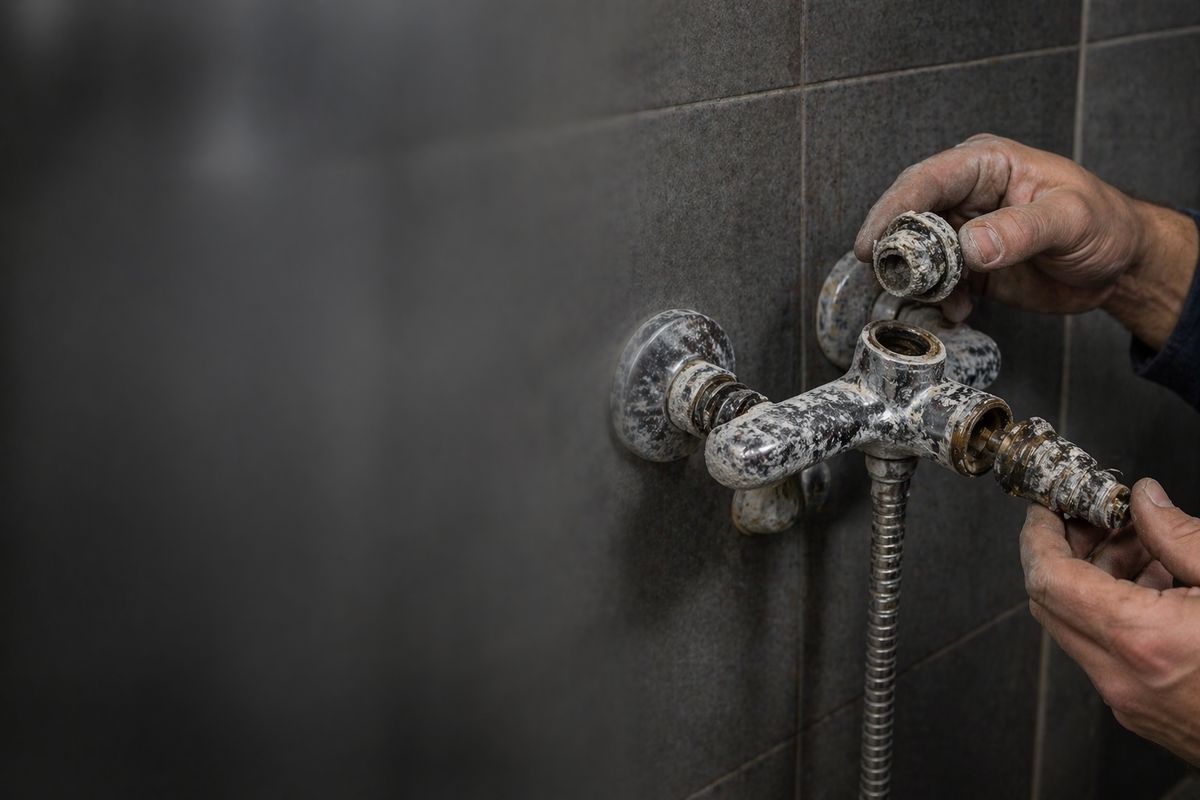
The Descaling Paradox
Why the product meant to protect a coffee machine wears out its seals and boilers.
Read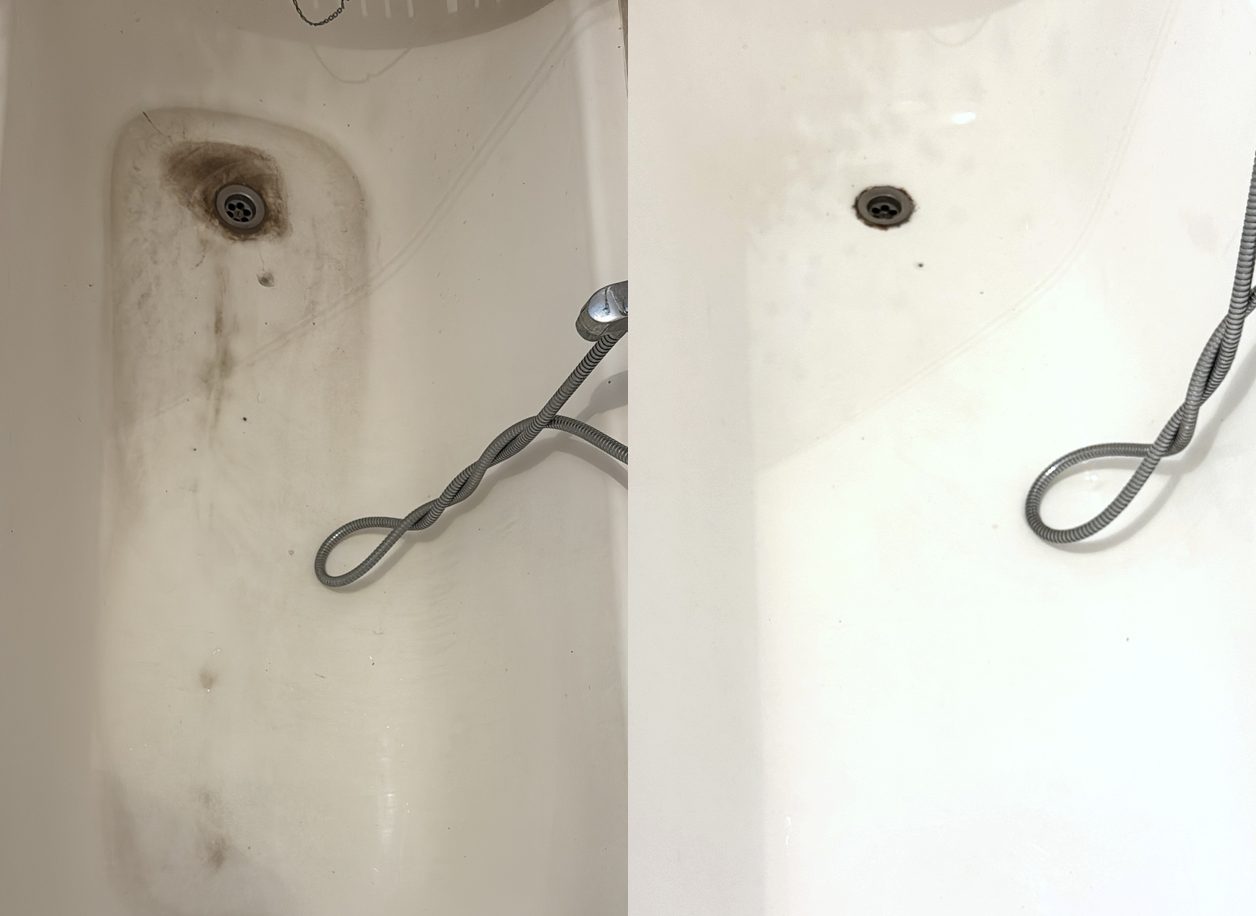 Before and after
Same chemistry beyond the coffee machine
Chrome fittings, a kitchen hood and a bathtub: real results with No Stone and No Grease.
See photosAll articlesMore from the lab
Biofilm in drip trays, substitution of hazardous substances and other notes in preparation.
Open Lab Notes